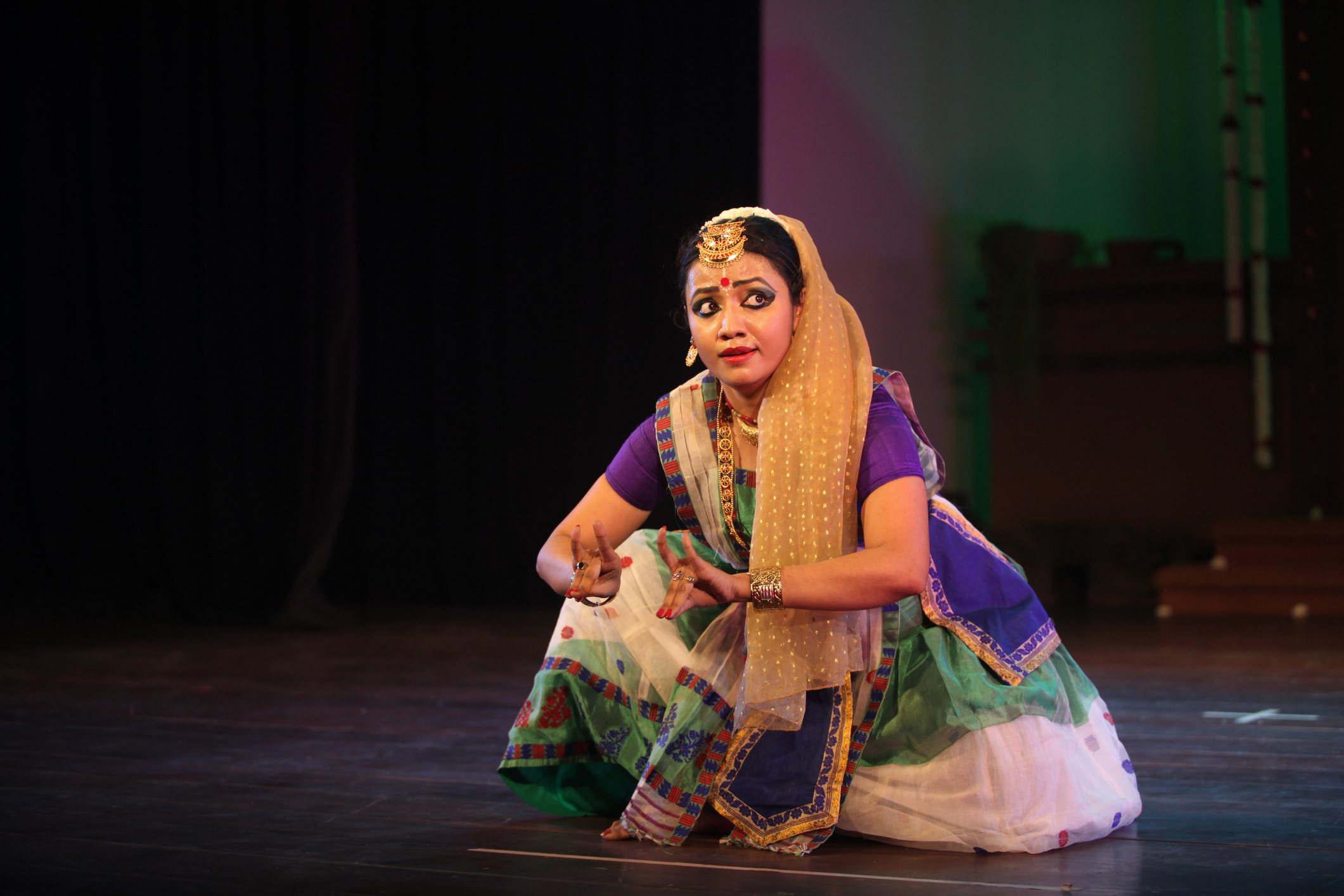
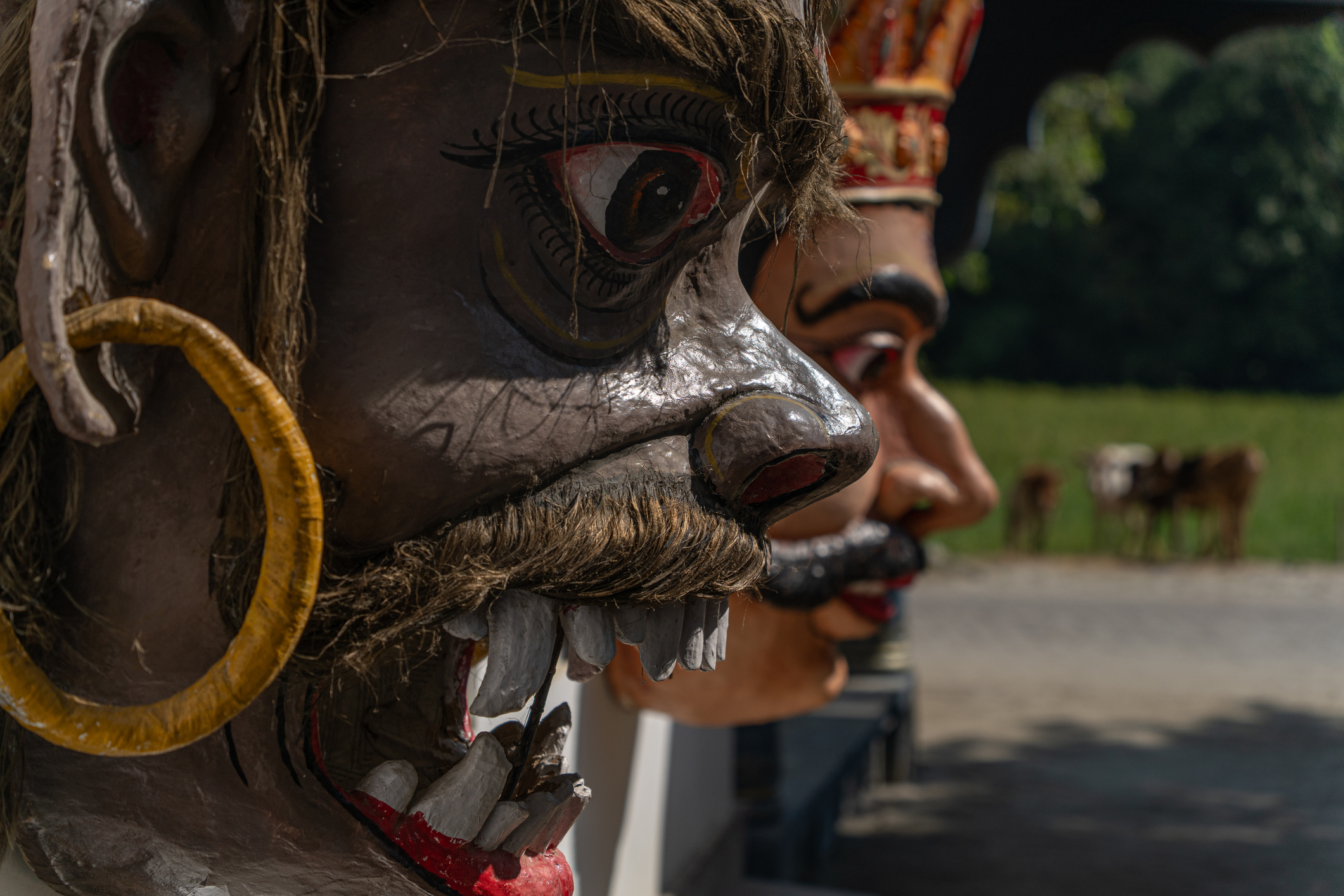
In a low workshop at the edge of a monastery, a man is giving a god a face. He binds strips of split bamboo into a frame, layers it with cloth and river clay and a paste of cow dung, and works the surface until a nose, a brow, a fierce painted eye begin to emerge. When it dries, someone will wear it, and dance.
This is not a craft revival or a museum display. It is a working monastery on a river island in Assam, and the mask is being made for a performance, the way it has been made for five hundred years. Which raises a quiet question: how has a faith survived here not as belief alone, but as something people build with their hands?
Because on Majuli, holiness is handmade. The religion the island keeps is not written down so much as carved, sung, danced and painted - kept alive by being made again, every day. To come here is to watch a five-hundred-year-old culture happening in the present tense.
The saint and the island
It begins with a saint. In the fifteenth and sixteenth centuries, the Assamese poet and reformer Srimanta Sankardeva preached a devotion - Ekasarana - that placed love of a single god above ritual and caste, and that carried its message through art rather than sacrifice: song, dance, drama and painting. It was, in a sense, a religion delivered as culture.
His movement built Sattras - monasteries that are also art schools and village hearts, each gathered around a namghar, the long prayer hall where the community sings. Majuli, a broad island in the Brahmaputra, became the movement's heartland. It once held around sixty-five Sattras; something like two dozen remain on the island today, the rest abandoned or moved to the mainland as the river took their ground.
What makes them singular is that they never hardened into relics. The Sattras are working institutions still, where monks - bhokots - live, study, and above all make.
The living arts
Step into the culture the Sattras keep, and it is nearly all performance and craft. There is bhaona, the devotional theatre Sankardeva himself wrote: one-act plays staged in the namghar, gods and demons speaking an old stage language, masks and oil lamps and audiences that sit through the night.
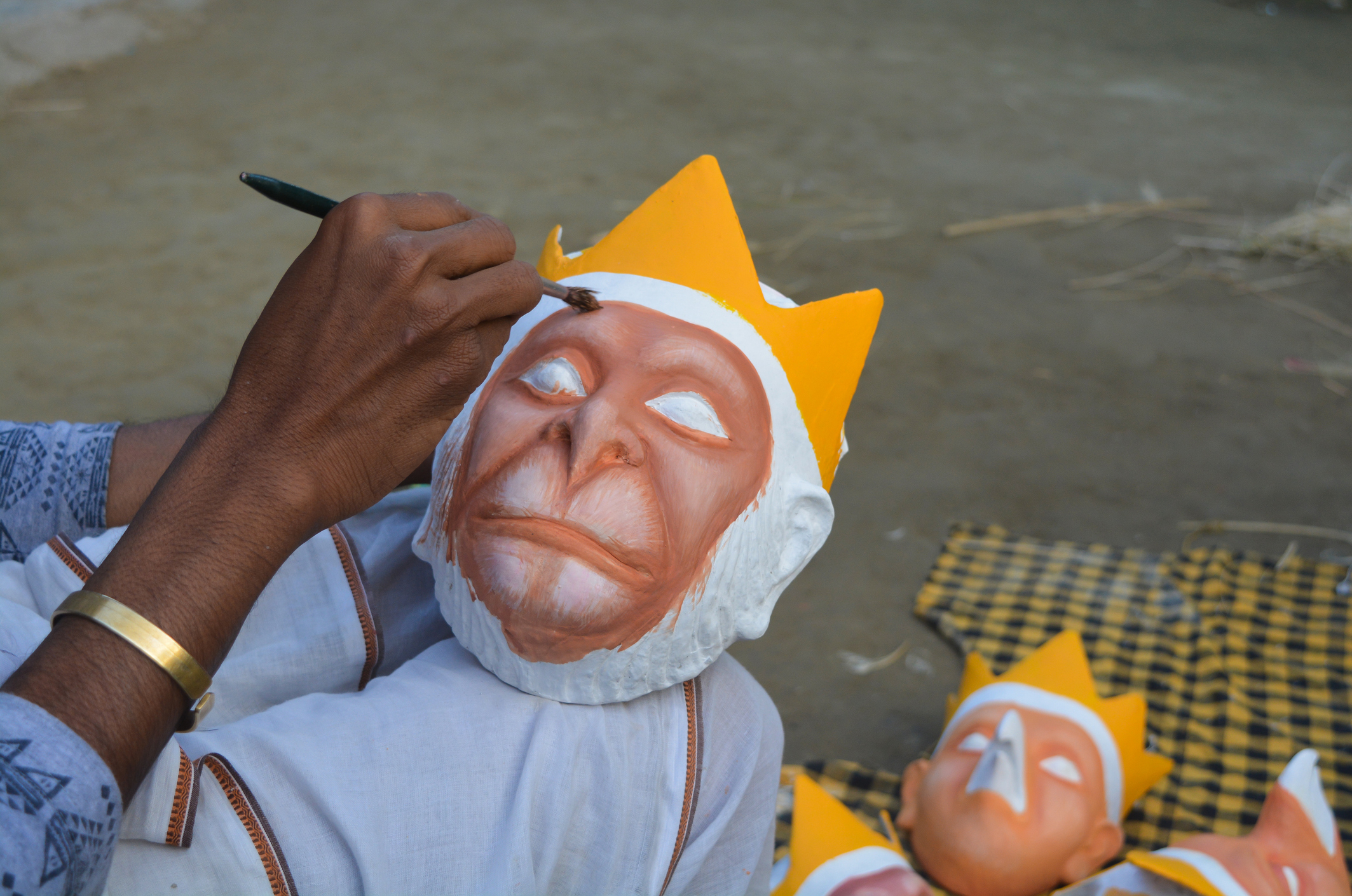
There is Sattriya, a dance born inside these very monasteries and performed for centuries by celibate monks as an act of worship - so rooted in this island that India recognised it as one of its classical dance forms only in 2000, the eighth to be named. There is borgeet, the "noble songs" Sankardeva and his disciple composed, sung in classical ragas at dawn and dusk. And there is the painting of manuscripts on sanchipat, treated tree bark, in inks and colours the Sattras have mixed for generations. None of it is staged for visitors. It is simply the daily and seasonal life of the island's faith, which happens also to be beautiful.
A god's face from river mud
Of all the island's making, the masks are the emblem. At Samaguri Sattra, mask-makers build the mukha worn in bhaona - the faces of Krishna and Narasimha, of Ravana and the demon host - from the plainest things the river gives: split bamboo for the frame, cloth and clay and cow dung for the skin, natural pigment for the paint. Some are full head-and-shoulder masks; the finest have jaws and eyes that move. The tradition is carried by masters such as Hem Chandra Goswami of Samaguri, honoured with a Padma Shri in 2023 for keeping it alive.
There is something worth pausing on in that. The gods of Majuli are not cast in bronze or cut from marble. They are made of mud and bamboo and dung, shaped by hand, worn for a night, and mended for the next year. The island's mask-making, and its bark-manuscript painting, were both granted Geographical Indication status in 2024 - a modern seal on a very old habit of making the sacred out of the everyday.
Here the gods wear faces of river clay and cow dung - and holiness is something you make by hand.
Living with the river
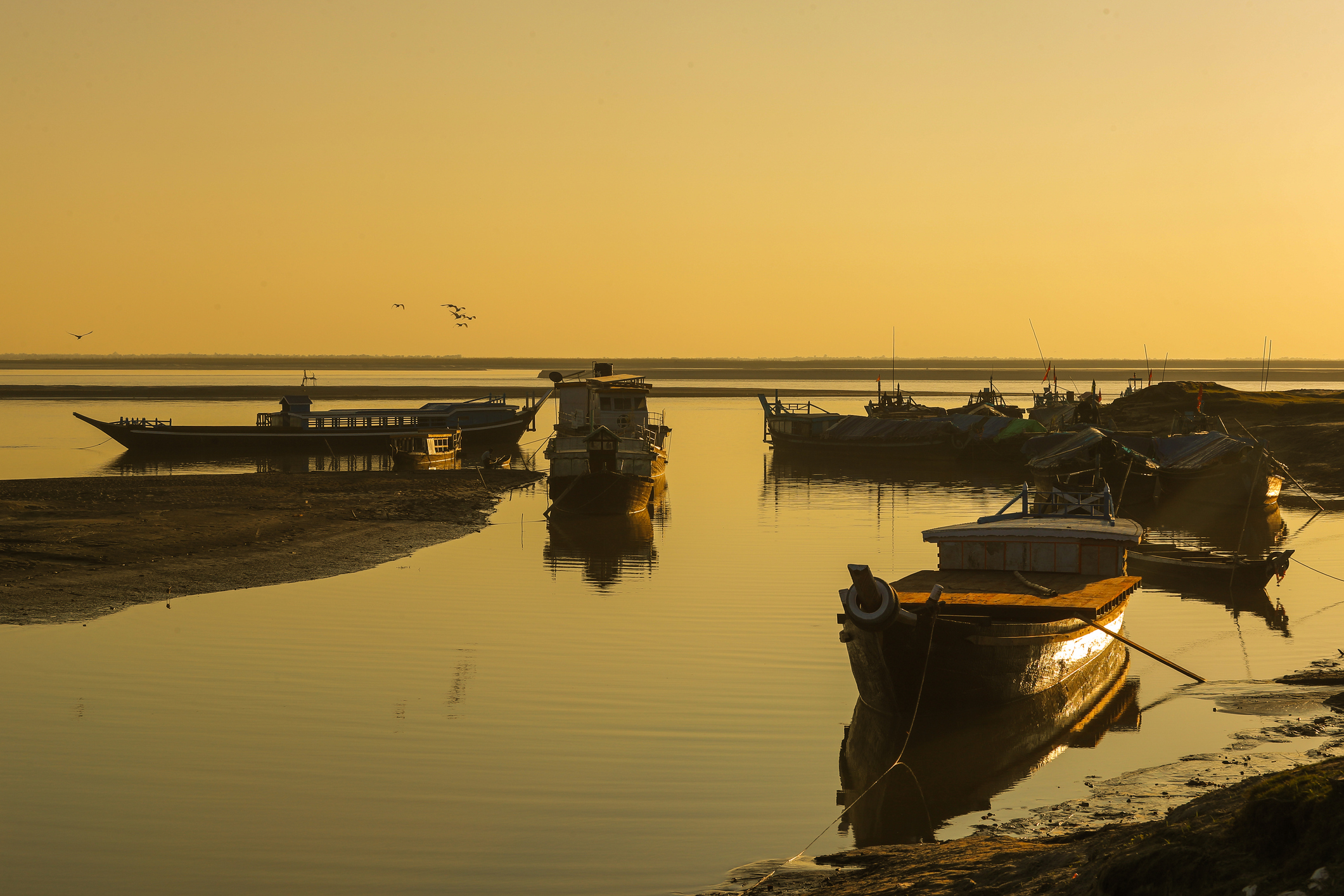
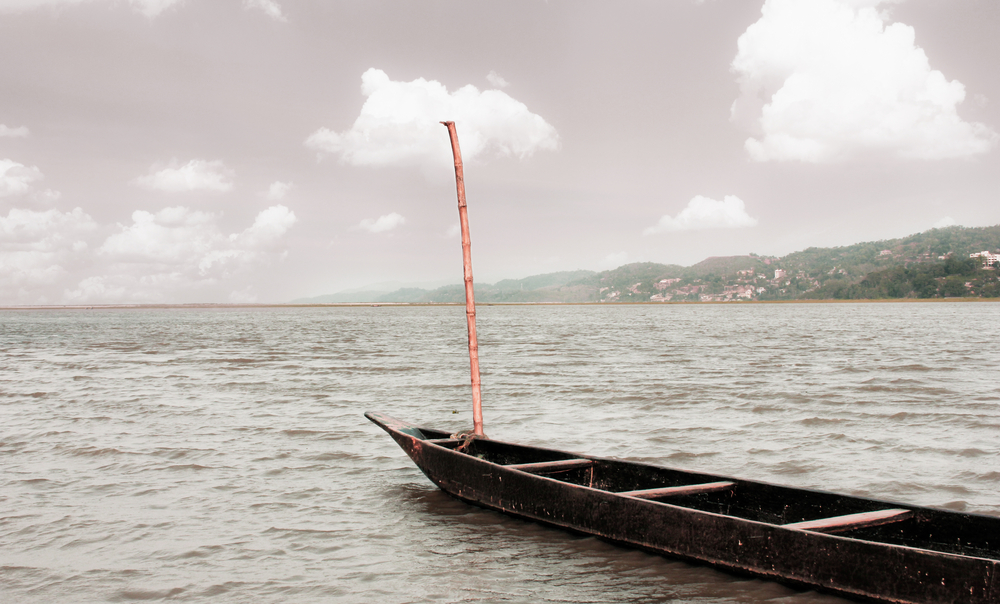
The Sattras are not the island's only culture. Majuli is also the home of the Mishing, a community that came down from the hills long ago and learned to live on a floodplain. Their houses stand on stilts - chang ghar - so that when the Brahmaputra rises, the water passes underneath and life goes on above it. The women weave at home, cloth of their own patterns; there is apong, rice beer, for guests and festivals; the whole year is keyed to the flood and the paddy. It is a way of living with the river rather than against it.
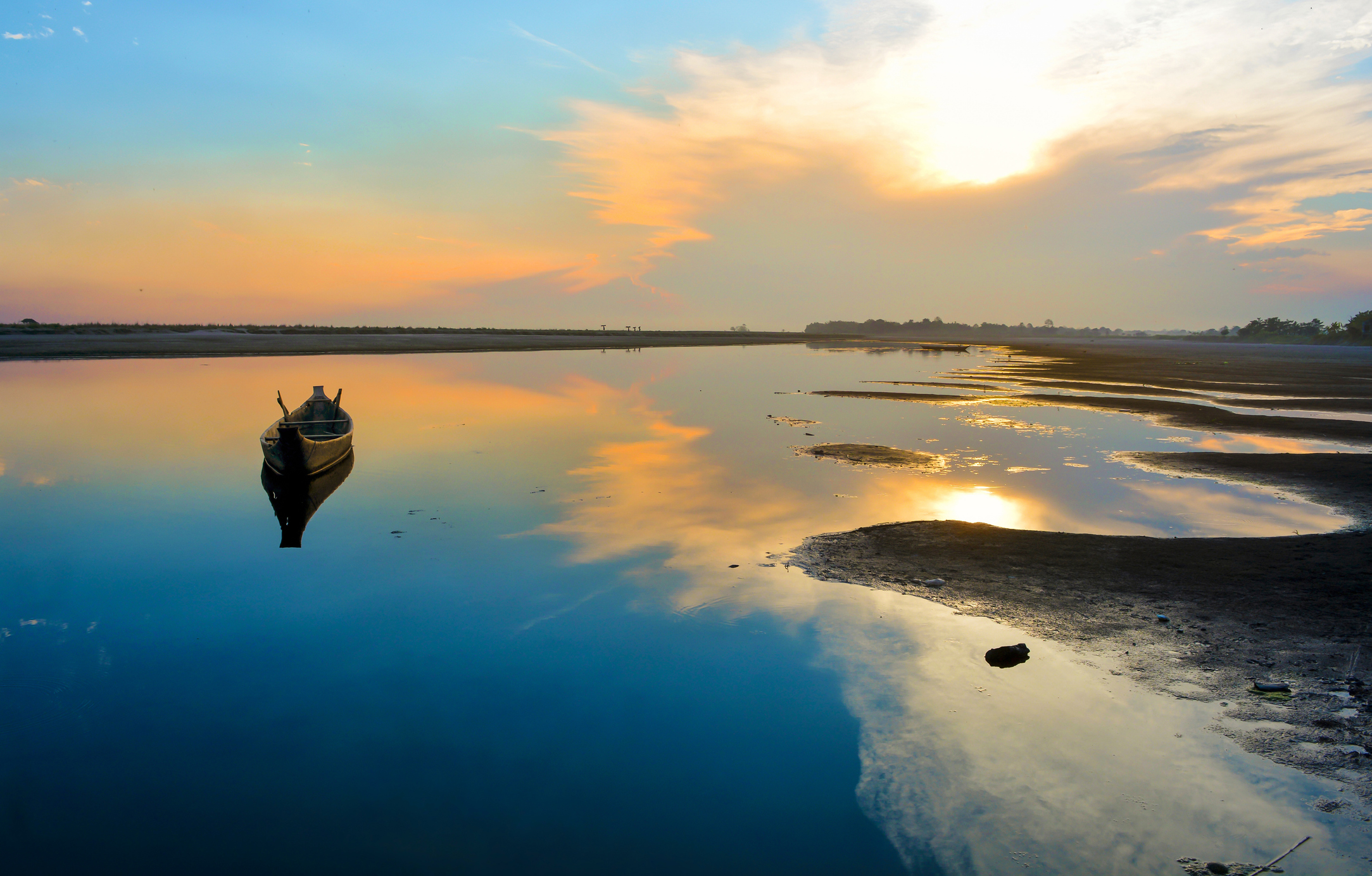
And here, gently, is where the river enters the story. The Brahmaputra made Majuli and is slowly remaking it: the island is smaller than it was a century ago, some of its Sattras have already crossed to the mainland, and every monsoon rearranges its edges. It would be easy to make that the headline - the island that is vanishing - but it is not how the people who live here tell it. The river is the condition of the place, not its point. The point is what they keep making on top of it.
MYTH VS REALITY Myth - Majuli is "the world's largest river island", a curiosity slowly washing away. Reality - Even that superlative is disputed - Brazil's Marajo island is larger - and "disappearing" is only half the picture. Majuli is a living centre of neo-Vaishnavite art and Mishing culture. The river shapes the island; the people are the story.
Seeing it well
If you visit
- Best time to visit
- October to March, dry and mild. The Raas festival, when the Sattras re-enact the life of Krishna, falls around the November full moon; the exact dates move each year, so confirm before you plan around it.
- Getting there
- The nearest airport and railhead are at Jorhat; from Nimati Ghat a ferry crosses to Kamalabari on the island in about an hour. A road bridge has been under construction for some years, so check whether it has opened.
- Time to set aside
- Two days, with a night or two on the island, to see the Sattras and a Mishing village without hurrying; get around by bicycle or a rented scooter.
- Nearby experiences
- The Sattras at Auniati, Kamalabari, Dakhinpat and Garamur; the mask-makers at Samaguri; a Mishing village and its handloom weavers; and a bhaona or Sattriya performance if your visit meets a festival.
The river will do what rivers do. What lasts on Majuli is not the ground but the making - the mask bound from bamboo this morning, the borgeet at dusk, the dance a monk has practised since he was a boy, the cloth coming off a Mishing loom. The culture survives because it is used, not because it is guarded.
Come in the dry months, when the ferries run easily and the festivals fill the namghars. Sit through a bhaona, or an hour of song, and watch a five-hundred-year-old faith being made again in front of you. That is what there is to carry home from Majuli: not that it is vanishing, but that it is, stubbornly and beautifully, still here - handmade, and in use.