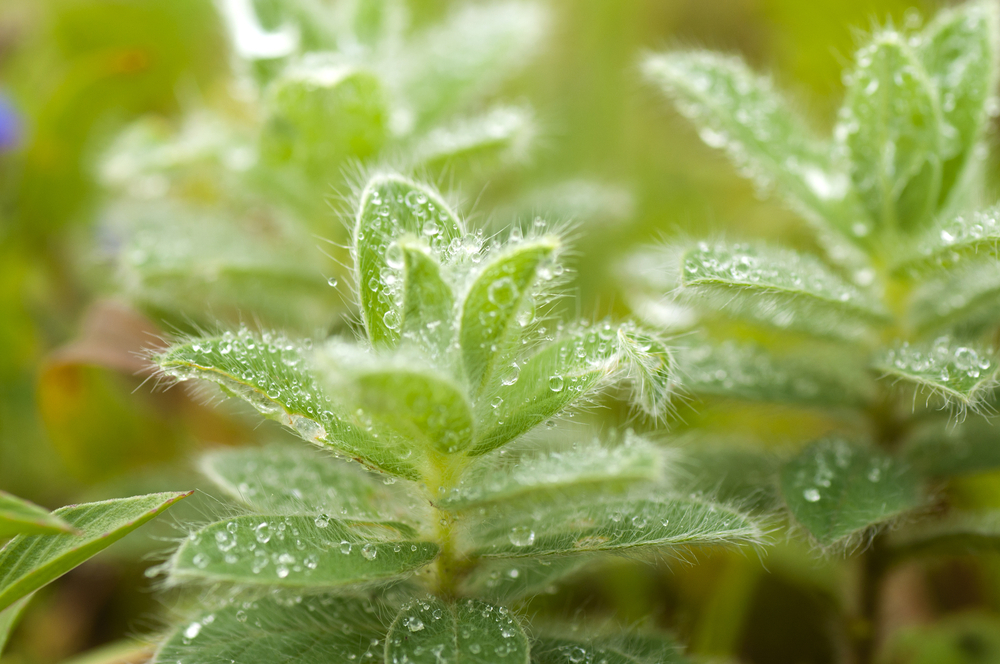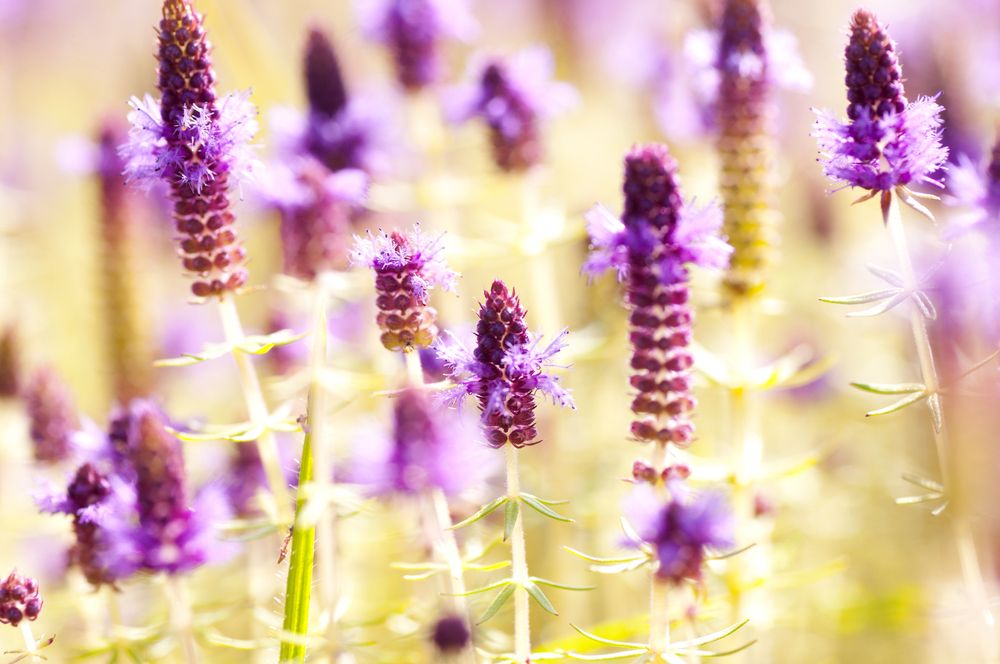
You are on a narrow marked path across a low, open plateau, and the ground on either side is not a garden. It is a thin skin of soil over bare rock, and it is covered, edge to edge, with tiny flowers - purple, white, yellow - almost none of them taller than your ankle. In your pocket is a printout: a date, a time, a slot number.
Two odd facts sit side by side here. There is barely any soil for anything to grow in. And you had to book, weeks ahead, for a place among three thousand people, to stand on this path today. Neither is an accident, and together they are the whole story.
Kaas is a lesson in scarcity. It flowers because the ground gives so little, and it survives because you are now given so little of it. Learn to read it that way, and the plateau stops being a flower show and becomes something rarer: a fragile thing, briefly open, strictly on its own terms.
A bloom built on almost no soil
Kaas Pathar is a lateritic plateau - basalt weathered down to rust-red rock - about 1,200 metres up in the Sahyadri hills, west of Satara. The soil over the rock is only a few millimetres thick, acidic, and lying on stone that will not let water drain away. Nothing deep-rooted can live on it: no forest, few shrubs, just bare tableland for much of the year.
Then the monsoon does what a forest could never allow. With the rock holding water in shallow pools and hollows, the plateau fills all at once with low, fast herbs and annuals that race through an entire life - germinate, flower, set seed - in the few weeks between the last rains and the returning dry. The spectacle is a product of poverty. The very thinness of the soil is what clears the stage for the flowers.
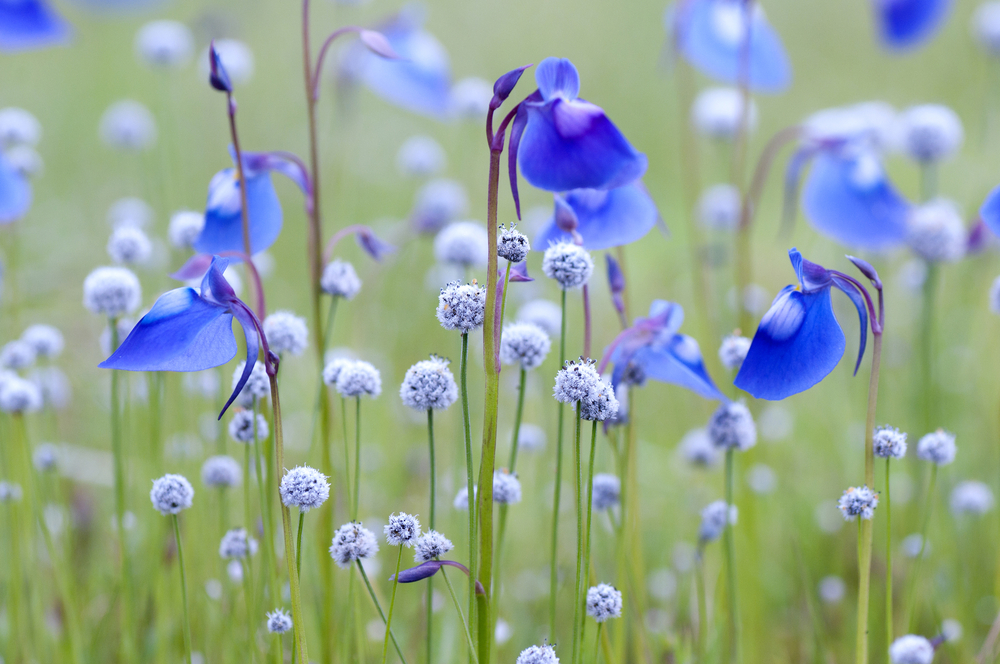
The proof is under your feet. Some of Kaas's plants eat insects !!!!! sundews and bladderworts that trap and digest insects - because the soil is too poor in nutrients to feed them any other way. The plateau is so lean that its plants have learned to eat meat.
The carpet that keeps changing
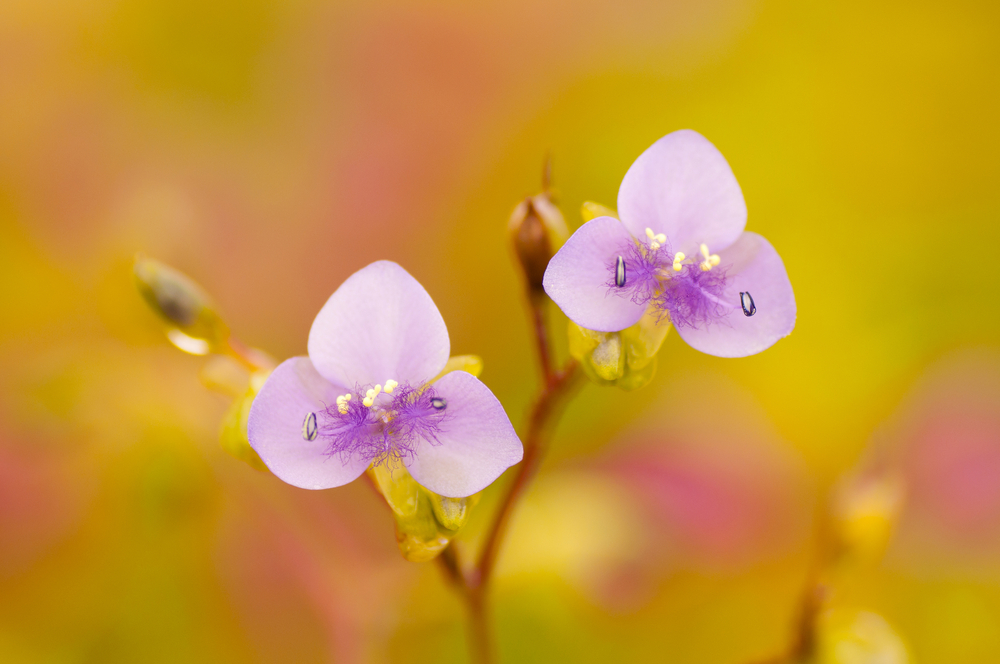
Come back a fortnight later and it is a different plateau. Kaas does not bloom once and hold; it blooms in waves, one species cresting and fading as the next takes over, so the dominant colour of the ground shifts every week or two across the season - whites, then yellows, then sweeps of purple and pink. What you see depends entirely on when you come. There is no single "peak" that is the real Kaas; there are several plateaus, one after another.
The reserve is reported to hold more than eight hundred and fifty flowering plant species, several dozen of them found nowhere else on earth. Most visitors will never name more than a handful, and that is fine - the point is not the checklist but the sheer, brief density of it.
One thing to clear up, because it is often muddled: every few years Kaas turns purple with Topli Karvi, a shrub that mass-flowers on a multi-year cycle. It is a cousin of the famous Neelakurinji that colours the hills around Munnar once in about twelve years - but it is not the same plant, and Kaas is not that place. Two different flowers, two different plateaus. Kaas has its own.
Kaas flowers because the ground gives so little - and it survives because, at last, we are allowed so little of it.
Rationed on purpose
All of which explains the booking slip. As Kaas's fame spread - roughly from 2008 - so did the harm. Surveys recorded trampled vegetation, damaged micro-habitats and litter across the plateau. A once-a-year carpet of ankle-high plants simply cannot survive being walked over by crowds; a single careless season can undo it.
So the people who look after it - a local joint forest-management committee, working with the state forest department - did something that sounds backwards: they made Kaas harder to visit. A hard cap of about three thousand people a day, divided into three timed slots. Compulsory online booking on busy days. Fenced paths . A modest entry fee. All this, not to make money, but because a fragile, once-a-year bloom can only survive so many feet.
Seeing it well
If you visit
- Best time to visit
- Only during the bloom, roughly mid-September to mid-October, timed to the retreating monsoon; the densest carpet is a shorter window inside that, often late September into early October. The dates shift every year, so confirm them on the official site before you plan anything.
- Getting there
- Base yourself in Satara, about 25 km below the plateau and the nearest railhead; Pune is roughly 125 km away and Mumbai about 278 km, both by road. Local vehicles run up to Kaas in season.
- Time to set aside
- A day or two: a half-day on the plateau within your slot, and the rest for the waterfalls and lake nearby.
- Nearby experiences
- Kaas Lake beside the plateau; Thoseghar Falls; the Vajrai (Bhambavli) waterfall near Kaas, billed locally as India's tallest though that claim is disputed; and Sajjangad fort near Satara.
Most people come to Kaas for the photographs - the carpet, the colour, the once-a-year of it. The better thing to take home is the lesson the plateau quietly teaches: that you do not own the view. You are a guest in a fragile system that was here long before the booking portal, and will outlast it only if each year's three thousand tread lightly.
Kaas flowers because the ground gives little. It will keep flowering because, at last, we are giving a little back - a slot, a path, a few careful weeks. Go, and go gently.